The Hidden Threat Behind Large Projects
Every major urban development begins with a number. Floor Area Ratio (FAR).
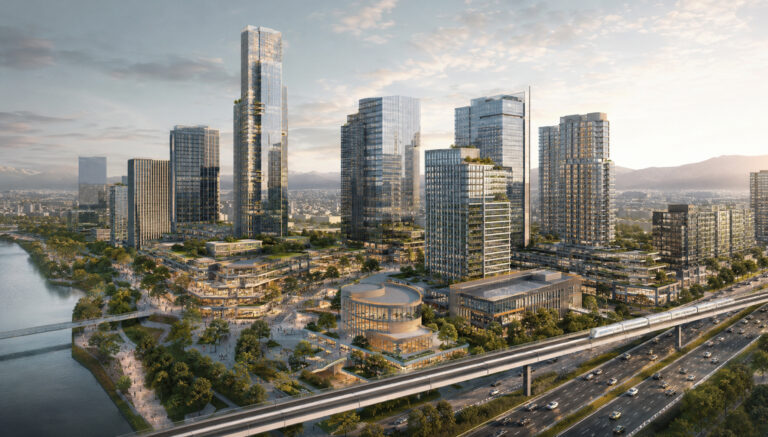
It appears simple—a planning regulation that defines how much floor space can be constructed on a site. Yet behind this single number lies one of the most significant risks in large-scale developments.
When FAR decisions are made without understanding their broader implications, the result is not merely a planning issue. It becomes an operational, environmental and financial challenge that can affect an entire project for decades.
FAR Is More Than a Planning Control
In many projects, FAR is viewed as a mechanism to maximise development potential.
The conversation often revolves around:
- “Can we achieve a higher FAR?”
The more important question is:
- “Can the site, its infrastructure and the surrounding urban systems sustainably support that FAR?”
- This distinction changes everything.
Floor Area Ratio is not simply a measure of built-up area. It directly influences the demand placed on transportation networks, utilities, public spaces, emergency services, parking, energy systems and environmental resources. - A development that complies with planning regulations can still struggle to function effectively if these interconnected systems are overlooked.
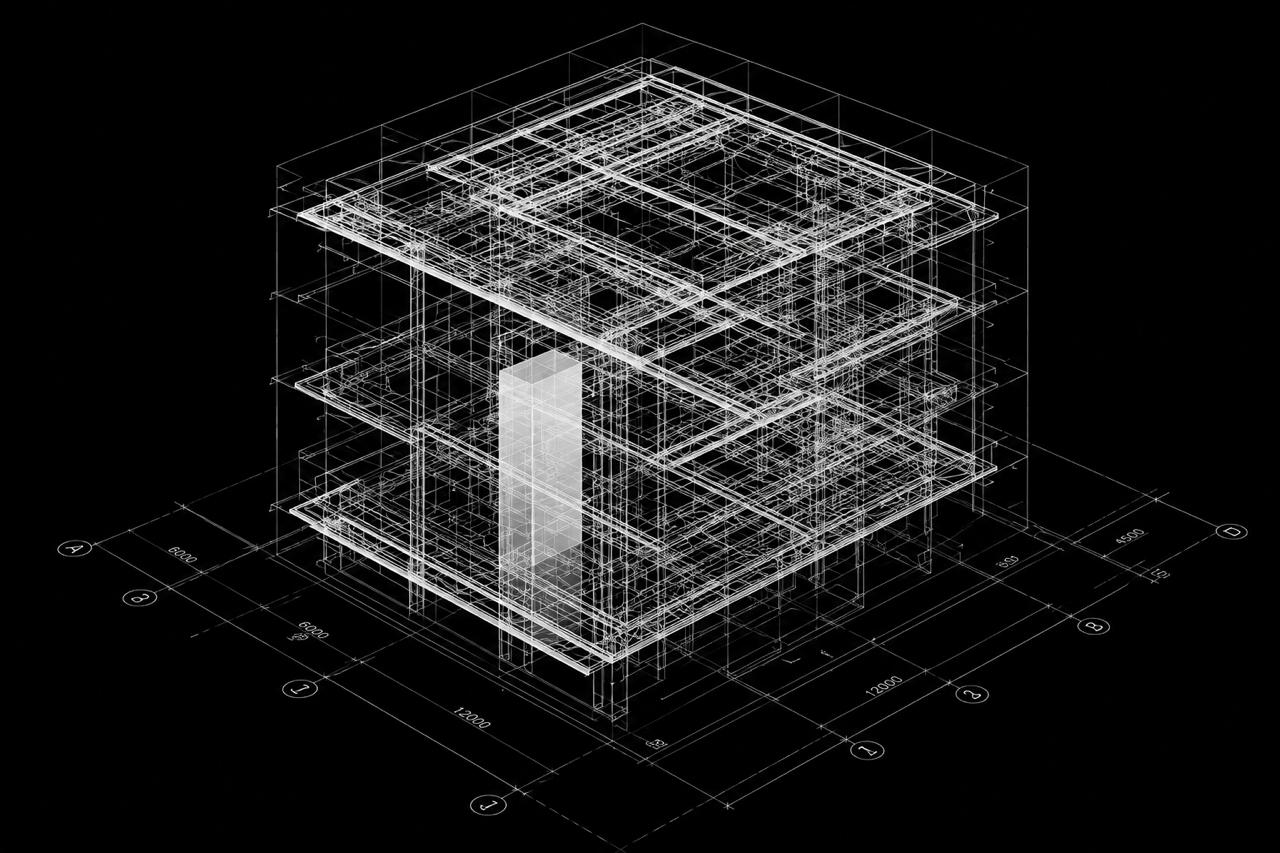
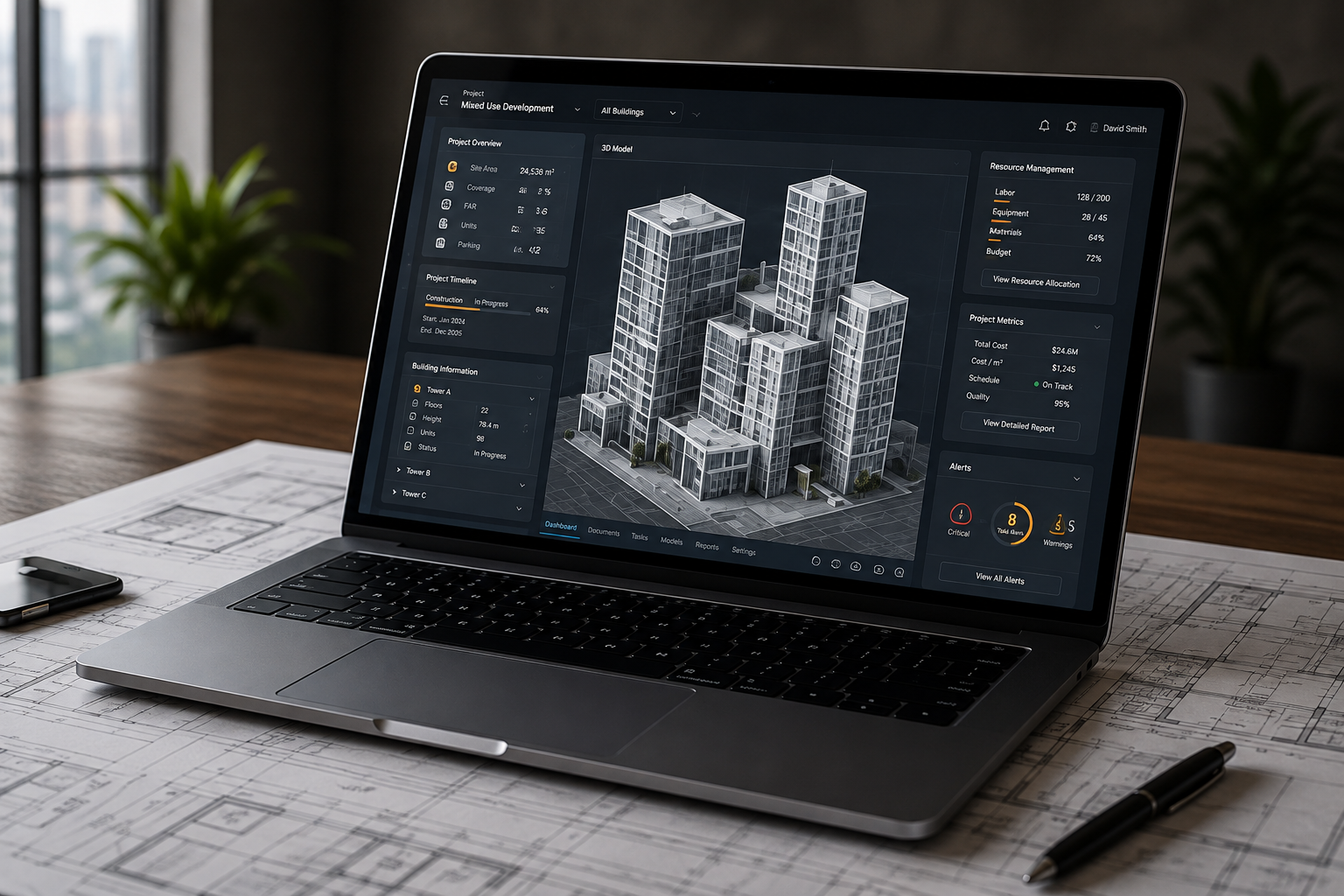
The Hidden Risks
- Infrastructure Overload
- Higher density increases pressure on roads, public transport, water supply, drainage, power distribution and communication networks.
Without adequate infrastructure planning, congestion and operational inefficiencies become inevitable. - Vertical Complexity
- As buildings become taller and denser, technical coordination becomes exponentially more demanding.
- Structural systems, MEP services, fire engineering, façade design and vertical transportation must operate as a fully integrated ecosystem.
- This complexity requires a coordinated digital delivery strategy from the earliest design stages.
- Environmental Performance
Increasing FAR without balancing environmental performance often leads to:
- Urban heat island effects
- Reduced natural ventilation
- Increased energy demand
- Higher stormwater runoff
- Loss of biodiversity
- Reduced public open space
- Density should create better cities—not greater environmental stress.
Construction Risk
Higher FAR generally means:
- Longer construction durations
- More sequencing challenges
- Greater coordination requirements
- Increased material logistics
- More interface management
- These factors significantly increase delivery risk if not managed through structured information systems.
- Long-Term Operational Cost
- The consequences of poor FAR decisions rarely appear during design.
They emerge years later through:
- Increased maintenance costs
- Operational inefficiencies
Traffic congestion - User dissatisfaction
Reduced building performance - The most expensive mistakes are often invisible during project approval.
- Managing FAR Through Delivery Intelligence
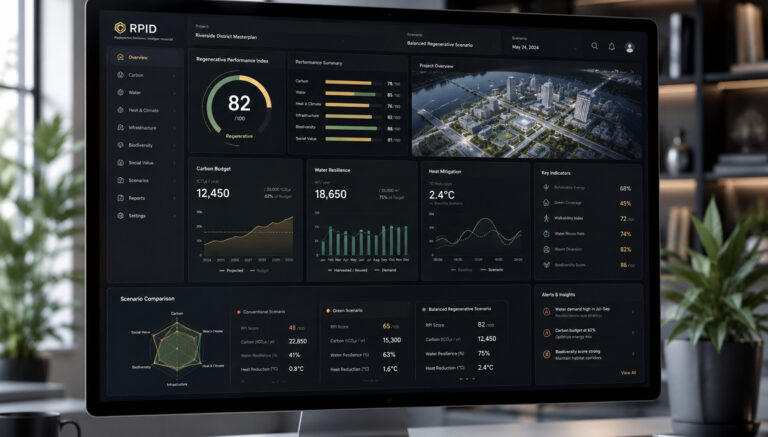
The solution is not necessarily lower density. - The solution is better intelligence.
Successful developments evaluate FAR alongside:
- Mobility capacity
- Utility infrastructure
- Environmental performance
- Public realm quality
- Building operations
- Construction logistics
- Long-term resilience
- This requires collaboration between planners, architects, engineers and technical delivery teams from the earliest project stages.
- BIM Is Part of the Solution
- Building Information Modeling provides an opportunity to move beyond geometry.
When integrated with planning intelligence, BIM enables teams to:
- Test multiple development scenarios
- Analyse coordination risks before construction
- Improve multidisciplinary collaboration
- Simulate infrastructure impacts
- Reduce costly design changes
- Support informed planning decisions
- The objective is not simply to maximise built area.
- It is to maximise long-term value.
Looking Ahead
- Cities around the world continue to pursue higher densities to accommodate growing populations.
- The challenge is no longer determining how much can be built.
- The challenge is understanding how well those developments will perform over the next fifty years.
- Future-ready projects will not be defined by higher FAR alone.They will be defined by their ability to balance density with mobility, infrastructure, environmental resilience and quality of life.